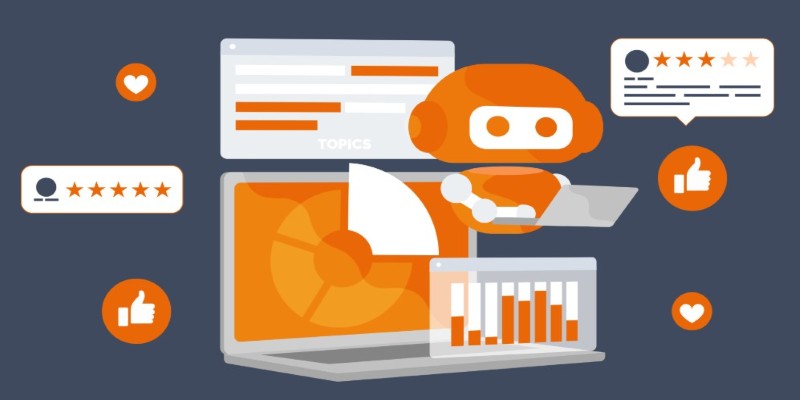
In a world where health information can be overwhelming and confusing, artificial intelligence (AI) is emerging as a powerful ally. As health concerns arise, people instinctively turn to the internet for answers, but the sheer volume of information often makes it difficult to find what’s accurate and relevant. That’s where AI steps in, providing solutions that bridge the gap between complex medical knowledge and the everyday person.
With AI connecting people directly to health information, the whole process of people's understanding of their health will change to work in their favor and make them decide the right way. This is not just about convenience but about making sure that this vital health information gets served to everyone according to their necessity and grounds on impeccable medical knowledge.
How AI Enhances Access to Health Information?
Artificial intelligence is set up to digest large amounts of data quickly. What makes AI transformative in health care, though, is that it can grasp the context. When a simple question like "headache causes" is typed into a search engine online, thousands of results are retrieved, many of which are either irrelevant or untrustworthy. AI-driven systems, however, can filter out this noise by analyzing the intent behind a user's search and presenting tailored trustworthy answers.
Moreover, AI algorithms are self-learning algorithms, meaning that the accuracy of information provided will be improved over time through continuous learning from user interactions. The dynamic learning process in AI makes it possible to offer more personalized health advice so that users can be assured of getting information that is not only reliable but also relevant to their situation. For example, an individual with diabetes seeking dietary advice will get content relevant to managing his or her condition rather than general dietary tips that may not apply.
Besides personalization, AI has a significant role in breaking up medical jargon. Medical terms are difficult for most people, which limits knowledge about related health conditions or treatments. Hence, AI in language simplification and making it easily digestible makes a huge leap between medical professionals and general people.
The Role of AI in Reliable Health Information Delivery
Ensuring the reliability of health information is a key challenge in today’s digital landscape. With countless websites offering varying degrees of accuracy, users can easily be misled by misinformation. This is where AI's capability to assess the credibility of sources becomes invaluable. Advanced AI models are trained to recognize authoritative content from reputable medical organizations and filter out dubious or unsupported claims.
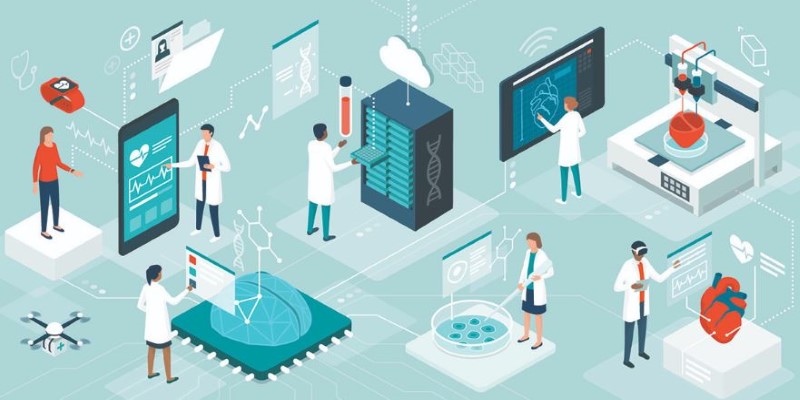
Additionally, AI-driven health platforms often partner with healthcare providers to ensure that the information they offer meets medical standards. This collaboration helps maintain the integrity of the data and instills trust in users seeking health-related answers. Furthermore, AI tools can track updates in medical research, ensuring that users always have access to the latest and most accurate information.
Another significant aspect is AI's potential to expand access to health information for underserved communities. In many parts of the world, access to professional healthcare advice is limited. By offering localized, AI-powered health solutions, we can bridge this gap, bringing critical health knowledge to people who might otherwise lack reliable resources. Whether through chatbots, virtual health assistants, or multilingual platforms, AI makes it possible to deliver accurate health guidance to anyone with an internet connection.
AI’s Potential to Revolutionize Preventive Healthcare
One of the most exciting aspects of using AI to connect people to health information is its potential to shift the focus from reactive to preventive healthcare. Traditionally, healthcare systems have been centered around treating illnesses after they arise, but AI is opening new avenues for early detection and prevention.
By analyzing vast amounts of health data, AI systems can identify patterns and risk factors that may indicate potential health issues before they become serious. For example, AI-driven tools can monitor lifestyle data, such as diet, exercise, and sleep patterns, to identify early signs of conditions like heart disease or diabetes. Users can then receive tailored advice to address these risks, potentially preventing the onset of these conditions.
AI's role in preventive healthcare also extends to its ability to predict disease outbreaks. By analyzing data from various sources, including global health trends, environmental factors, and population movement, AI can provide early warnings of potential health threats, allowing for timely interventions and better preparedness.
Personalization, Privacy, and Ethical Considerations
While AI's ability to connect people to health information is promising, it also raises important questions about privacy and ethics. Health data is sensitive by nature, and any AI system handling such information must prioritize user privacy. To ensure this, AI-driven health platforms adopt stringent data encryption and anonymization protocols, ensuring that personal details remain confidential.
Equally important is transparency. Users need to understand how AI systems work, what data they collect, and how they use it to deliver information. Clear communication fosters trust and helps users feel more comfortable engaging with AI-based health solutions.
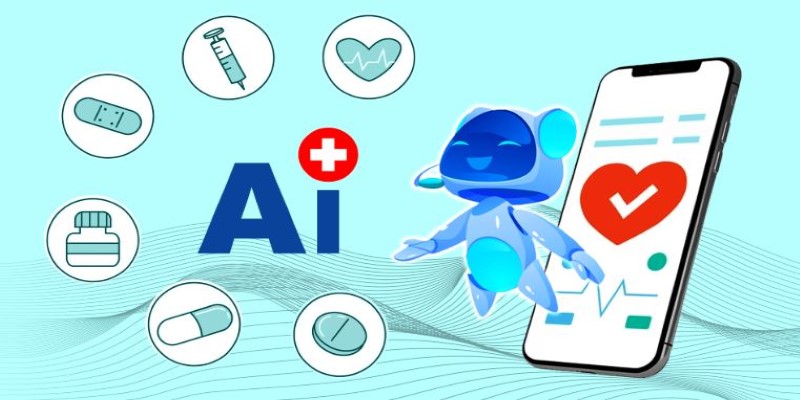
On the personalization front, AI's capacity to tailor information goes beyond mere search queries. It can integrate with wearable devices, health apps, and electronic medical records to offer real-time insights. For example, a user monitoring their heart rate through a smartwatch could receive instant feedback and recommendations if an abnormal pattern is detected. This level of personalized care not only enhances health outcomes but also encourages proactive health management.
Despite its potential, AI should not replace medical professionals. Instead, it serves as a supportive tool, helping individuals better understand their symptoms and when to seek professional care. By acting as an initial point of contact, AI reduces unnecessary medical visits while ensuring that those who genuinely need help are directed to the appropriate healthcare services.
Conclusion
Artificial intelligence is reshaping how we access and understand health information. By connecting people to reliable, personalized content, AI is breaking down barriers and making healthcare knowledge more accessible. While privacy and ethical considerations are important, AI remains a powerful tool in empowering individuals to make informed health decisions. With continuous improvements, AI has the potential to enhance health literacy, support preventive care, and ultimately revolutionize the healthcare landscape for all.