Demand generation isn’t just about acquiring leads anymore—it’s about telling a story that resonates. In a digital world filled with endless information, standing out requires something extra: engaging visuals that speak directly to your audience. This is where generative AI steps in. By enhancing visual storytelling, generative AI offers marketers new ways to create content that feels fresh, tailored, and emotionally engaging. From generating hyper-personalized images to producing visual narratives at scale, AI-driven demand generation is reshaping how brands connect with prospects.
This article explains how harnessing generative AI can raise the bar on your visual storytelling strategy, delving into details of how it works, benefits, and real-life applications in demand generation campaigns.
Generative AI: The Engine of Creative Storytelling
Generative AI simply uses machine learning algorithms to create new content, such as pictures, videos, or graphics, without needing input from a person at every stage. Even after training a model on an enormous dataset, it can self-generate fresh visuals based on specific brand guidelines or campaign themes. This will be useful when demand generation must have consistent, compelling content for nurtured prospects touching multiple touchpoints.
For example, assume that your marketing team wants graphics for multiple buyer personas across several stages of the funnel. Without AI, it would take weeks of manual design. Generative AI can easily and quickly create many varied, high-quality images in a few minutes. More than just time, AI-generated content is fast to evolve along with changing trends, thus always keeping the campaign fresh and current.
Enhancing Visual Storytelling with AI: How It Works
Generative AI empowers marketers to create even more immersive and personalized visual storytelling. The starting point is data analysis. By analyzing customer behavior, preferences, and interaction histories, generative AI can determine what visuals might work for which groups of the target audience. After such data is processed, AI models can then generate specially designed visual assets aligned with the goals of your campaign.

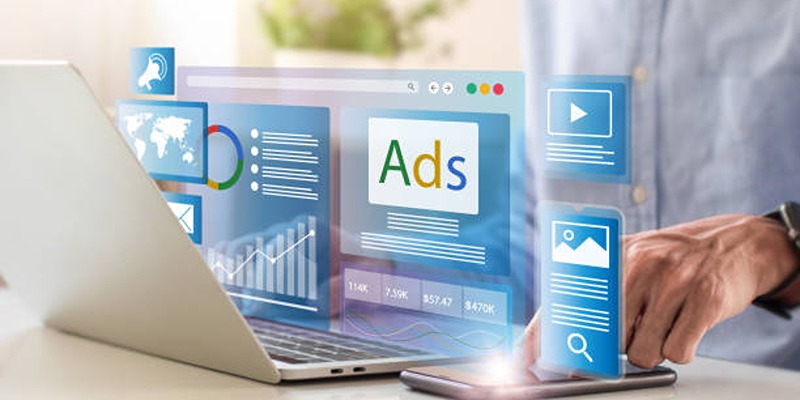
One standout feature of generative AI in visual storytelling is its ability to produce dynamic content. Unlike static visuals that remain the same for all viewers, dynamic visuals can change based on who is viewing them. For instance, an AI-driven campaign could create different ad images based on the geographic location, interests, or purchasing history of the audience. This level of personalization can significantly enhance engagement rates, leading to higher conversion and better ROI.
Moreover, generative AI can incorporate interactive elements into visual storytelling. By integrating features such as augmented reality (AR) or motion graphics, marketers can turn otherwise passive experiences into active ones, drawing audiences deeper into the story and driving meaningful engagement.
Why is Generative AI a Game-Changer in Demand Generation?
The integration of generative AI into demand generation offers a host of benefits. First and foremost is scalability. Traditional content creation methods often struggle to keep pace with the growing demand for fresh visuals in marketing. Generative AI overcomes this challenge by enabling marketers to produce a virtually unlimited number of creative assets quickly and efficiently. Whether it’s for email campaigns, social media ads, or landing pages, AI ensures that your brand never runs out of engaging visuals.
Another key advantage is cost efficiency. While the upfront investment in AI tools and training may be significant, the long-term savings can be substantial. With AI handling most of the heavy lifting in content creation, companies can reduce their reliance on large design teams, freeing up resources for strategy and innovation.
Generative AI also brings consistency to demand generation campaigns. Maintaining a cohesive brand identity across multiple channels can be challenging, especially when dealing with large volumes of content. AI-generated visuals can be programmed to adhere strictly to brand guidelines, ensuring uniformity in style, color, and tone. This level of consistency not only strengthens brand recognition but also builds trust with your audience.
Finally, the use of generative AI allows marketers to experiment more freely. Since generating new visuals is faster and cheaper than ever before, teams can test different creative approaches without worrying about resource constraints. This fosters a culture of innovation, where bold ideas are encouraged and tested until the most effective solutions are found.
Overcoming Challenges in AI-Driven Visual Storytelling
While generative AI is revolutionizing visual storytelling, marketers need to address certain challenges. One major obstacle is the learning curve involved in adopting AI tools. Traditional marketing teams may find it daunting to transition from manual design methods to AI-driven workflows. Fortunately, many AI platforms are becoming more user-friendly, offering interfaces that reduce the complexity of the process.
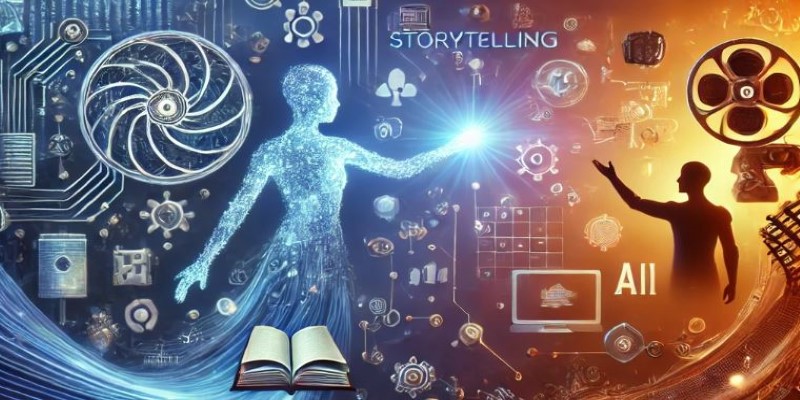
Another challenge is maintaining the quality and relevance of AI-generated visuals. While AI can produce a large volume of content rapidly, human oversight remains crucial to ensure that the output aligns with brand guidelines and effectively communicates the intended message. Without this human element, the risk of inconsistent or off-brand visuals increases.
Additionally, ethical concerns surrounding AI-generated content cannot be ignored. Transparency is vital—audiences should understand when AI is being used to create content. This openness helps build trust and ensures that brands maintain authenticity in their storytelling efforts.
By thoughtfully addressing these challenges, marketers can strike a balance between automation and creativity. With human guidance and ethical practices, generative AI can become an indispensable tool for demand generation, delivering personalized, high-quality visuals that captivate and convert audiences.
Conclusion
Generative AI is revolutionizing visual storytelling in demand generation by enabling faster, more personalized, and engaging content creation. It offers scalability, cost-efficiency, and creative flexibility, making it an invaluable tool for marketers. While challenges such as learning curves and ethical concerns exist, they can be addressed with the right strategy and oversight. By blending AI-driven efficiency with human creativity, marketers can craft compelling narratives that resonate deeply with audiences, ultimately enhancing engagement and driving stronger demand generation outcomes.