Artificial Intelligence (AI) is transforming the way we interact with technology, making machines smarter and more capable. At its core, AI relies on 3 fundamental components: algorithms, models, and data. These elements work together to enable AI systems to perform tasks that traditionally require human intelligence.
This post will break down each of these components, explaining how they contribute to the development of intelligent systems. Whether it's making predictions, classifying data, or recognizing patterns, understanding these concepts is key to grasping how AI functions. Let's explore the basics of algorithms, models, and data in AI.
What Are Algorithms in AI?
An algorithm is a set of rules or step-by-step directions for how to do something. They are the most important part of AI systems because they make it easy to process data. Like a recipe, an algorithm tells the system exactly what to do to get the result that is wanted.
When it comes to AI, algorithms help robots learn from data and make choices based on what they've learned. When you look for something on the internet, for instance, your search question tells a computer what results to show you. AI algorithms come in a range of levels of complexity, but they all have the same goal: to find patterns or answers that people would have a hard time or not be able to find on their own.
How Do Algorithms Drive AI Systems?
AI systems can handle data in a number of different ways. Some algorithms are taught on data that already has known results. It is called supervised learning. Other algorithms use unsupervised learning, which means they look for trends or groups in data without knowing what the results will be.
In supervised learning, for instance, a program might be given tens of thousands of pictures of cats and dogs that have been labeled. After that, the program learns to tell the difference between the two animals by looking at their traits. A program might look at a lot of purchase data from customers and put them into groups based on how often they buy similar things. It is called unsupervised learning.
What Are AI Models?
An AI model is the result of applying an algorithm to data. After the algorithm processes the data, it creates a model that can make predictions, classify information, or perform other tasks. The model is essentially the "knowledge" that the AI system has gained from the data.
For example, a model might be trained to identify whether a picture contains a cat or a dog. Once trained, this model can take new images and predict whether they show a cat or a dog. The model is not simply a program; it is a trained representation of the relationship between the data and the outcomes.
The Different Types of AI Models

There are several types of AI models, each suited for different tasks. Some common types of AI models include:
- Linear Regression Models: These models predict continuous outcomes, like predicting the price of a house based on features such as its size and location.
- Decision Trees: These models are used to make decisions by splitting data into branches based on specific criteria. They are widely used in classification problems.
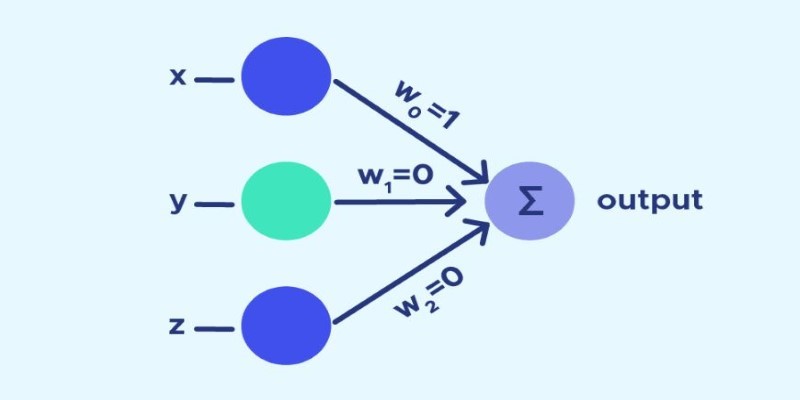
- Neural Networks: Inspired by the human brain, these models are designed to recognize complex patterns in data, such as identifying objects in images or understanding spoken language.
- Support Vector Machines (SVM): These models are particularly effective for classification tasks, where they aim to find the best boundary that separates different classes.
Data’s Role in AI
Data is the fuel that powers AI algorithms and models. Without data, AI systems would have no way of learning or improving. In fact, the more high-quality data an AI system has access to, the better it can perform.
Data comes in many forms—images, text, numbers, and even sounds—depending on the task at hand. For instance, for facial recognition, a system would need access to thousands of images of faces, while for predicting customer behavior, it would need transaction data.
Data Collection and Preprocessing
Before AI can use data, it often requires preprocessing. Preprocessing involves cleaning the data to remove errors, handle missing values, and format the data in a way that the AI algorithm can use. For example, in natural language processing (NLP), It's possible that text data needs to be tokenized (split into smaller pieces like words or sentences) before it can be used.
Training AI Models Using Data
Training an AI model involves feeding it large amounts of data to help it learn and make predictions. During the training process, the algorithm adjusts the model’s parameters based on the patterns it discovers in the data. For instance, in supervised learning, the model will learn by comparing its predictions to the actual outcomes in the training data and making adjustments accordingly. Training a model often requires a lot of computational power and can take significant time, especially when dealing with large datasets or complex models like deep learning networks.
The Connection Between Algorithms, Models, and Data
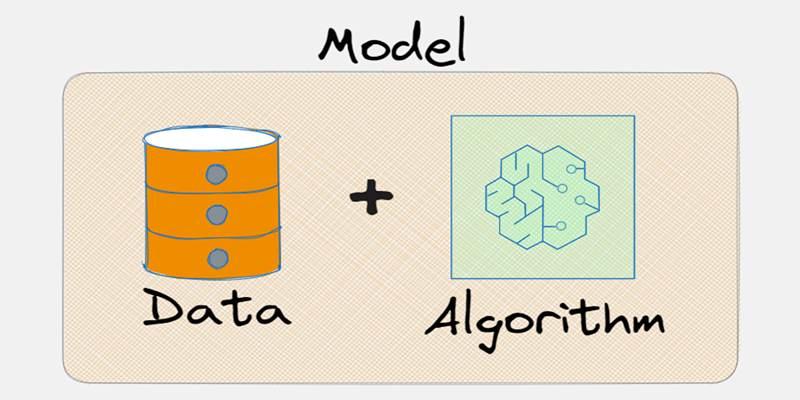
AI is built on the interplay between algorithms, models, and data. Algorithms provide the instructions for how to process the data, models represent the learned knowledge from the data, and data is the raw material that makes the entire system function.
To put it simply:
- Data is collected and cleaned.
- Algorithms are used to process this data.
- Models are created from the algorithms' output, which can then make predictions or decisions based on new data.
Together, these elements allow AI systems to learn, adapt, and perform tasks more effectively.
Conclusion
Understanding the fundamental concepts of algorithms, models, and data is key to grasping how artificial intelligence works. Algorithms drive the learning process, models represent the knowledge gained, and data provides the foundation for everything. As AI continues to evolve and shape our world, these components will remain at the heart of its growth and development. With this basic understanding, you can start to explore the exciting possibilities of AI and its applications in various industries.