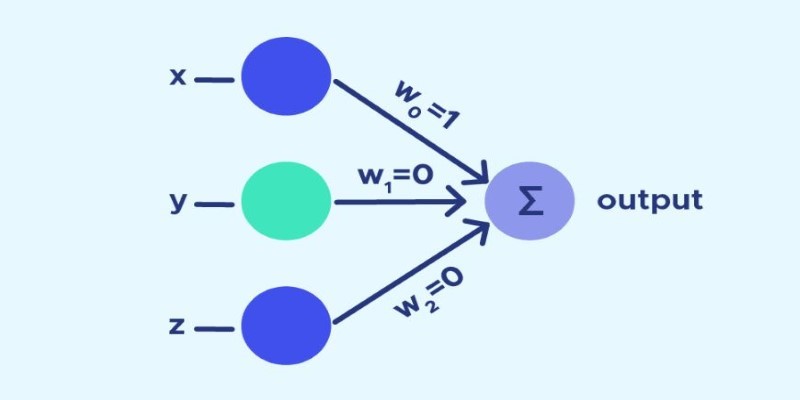
Generative AI is revolutionizing the labour market, changing the nature of work, and redistributing employment worldwide. It is important to note that automation by the use of AI is not only replacing routine jobs but is also generating new and complex jobs that require the use of technology. This transformation is allowing a high level of AI employment change and impacting how and where people work. Some geographical locations are already becoming the hotspots of AI development, whereas some others are at the risk of losing their jobs to AI. It is crucial for policy makers, companies, and labor force to get familiar with the geographic AI influence. This article will explain how generative AI is changing employment distribution and what requires to be done to achieve a fair transition.
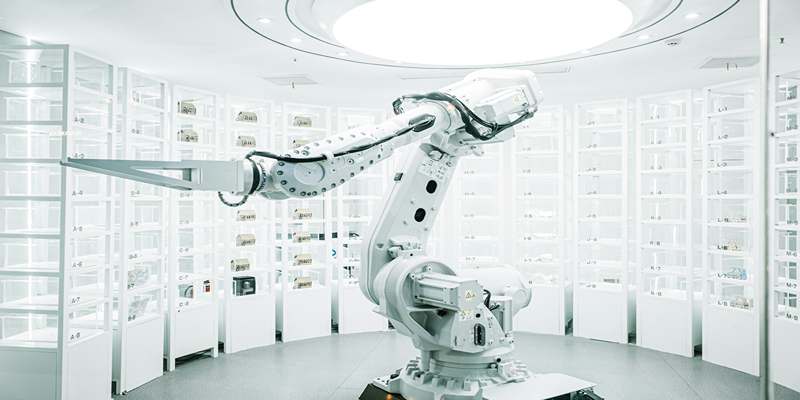
How Generative AI Is Reshaping the Workforce
Automation and AI-Driven Job Transformation
Automated generation is coming into practice in various fields: from writing to analytics and customer support. With the help of AI and machine learning, it is possible to automate many tasks that earlier needed user intervention such as chatbots and coding bots. This shift is decreasing the necessity of mundane work which in return is increasing the demand for the professionals who will be responsible for overseeing and maintaining artificial intelligence. Thus, the problem of how to re-design workplaces so that people and AI could complement each other rather than in conflict arises. This is not a new phenomenon of automation displacing most of the workers but it is changing the nature of work requiring workers to acquire new skills in order to survive the face of automation.
New Job Creation in AI-Empowered Industries
Fears of job displacement are also coming from the emergence of generative AI, while the latter is also creating jobs within AI fields. This has led to a demand in machine learning engineers, AI ethicists, and data scientists in the development, implementation, and maintenance of AI. Likewise, AI is gradually trending in the fields of healthcare, finance, and education to create new positions for AI experts and managers of the collaboration between human and AI systems. For one to be able to benefit from these opportunities, employees must be upskilled in order to meet the new challenges. Governments and businesses also have to commit resources to the AI education and training of the workforce to prepare them for work in industries where AI will be integrated.
AI Employment Shifts: Winners and Losers
Industries Benefiting From Generative AI
This makes certain industries benefit from generative AI workforce integration. The application of artificial intelligence is on the rise in the tech industry given increased development of software and cybersecurity. Artificial intelligence is being used to support diagnosis and the development of new drugs, and this is helpful to the healthcare industry. AI is being adopted in the financial sector for detecting frauds and managing risks which makes the transactions more secure and faster. AI is even penetrating such fields as marketing and design to create content and optimize operational processes.
Sectors Facing AI-Driven Workforce Disruptions
While there are positive impacts of AI in job creation in some industries, there are other industries that are facing cuts. Tasks that have repetitive nature of work especially in the areas of customer service, administrative work, and manufacturing are likely to be automated. Chatbots and virtual assistants are a sign of call center jobs being automated while robotic process automation is a sign of data entry and bookkeeping jobs being automated. AI technology in service is also affecting the retail industry through technologies such as; self-checkout kiosks, and automated warehouses that do not require the human element.
Geographic AI Impact: Workforce Redistribution Trends
The Rise of AI Hubs and Digital Workforces
With the progressing deployment of generative AI, some cities and regions become more attractive for investments and AI specialists. Today, Silicon Valley, London, and Beijing are in the frontline in AI developments led by startups and technology companies in machine learning and automation. Thirdly, the use of AI tools that enables remote working is liberalizing the work force as the companies are able to hire the workforce from all over the world. This is opening up opportunities in other towns and villages where individuals can work remotely to advance the use of AI.
Economic and Regional Inequality in AI Adoption
The research also indicated that the adoption and development of AI jobs are rising in richer regions with robust technology support systems than in the relatively poorer regions. AI driven automation is taking over jobs in emerging fields such as manufacturing and retail and this is impacting low-income areas in the society. Closing this gap will entail providing AI education and infrastructure so that workers in all these regions can take up the digital economy opportunities.
Adapting to the Changing AI Employment Landscape
The nature of the changes means that the workforce needs to upskill in order to survive the changes brought about by artificial intelligence. Appropriate educational programs in artificial intelligence, data science, and machine learning can assist the employees in re-skilling for more promising positions. In order to increase the degree of AI literacy, online courses, coding boot camps, and employer-sponsored training are crucial. Governments and businesses also need to ensure that AI education is affordable so that the workers in all industries take advantage of AI. Besides, other abilities such as creativity, critical thinking and emotional intelligence are still essential since AI cannot mimic human instincts and judgments. Through the promotion of lifelong learning, individuals ensure that they stay relevant and relevant for the new job market that is characterized by artificial intelligence.
Conclusion
AI in generative form is bringing new employment opportunities but is also changing the landscape of employment. The integration of AI in organizations does not have a uniform effect in industries and geographical locations, which has its advantages and disadvantages. For businesses, workers and policymakers, it is important to analyze the nature of changing employment and its relation to AI on a geographical level. Up skilling, workforce adaptation and ethical AI policies can reduce some of the imbalance and lead to a more proactive approach. Thus, the integration of AI should be responsible, and AI-driven vacancies should be available to all members of society in order to avoid negative consequences for the economy and society while relying on the potential of AI.